
Aztecamurai: a new way to imagine Mexican cinema.
Some projects start as an idea. And others, from the beginning, seem destined to generate conversation. Aztecamurai belongs to that second group, a mix of genres, references and tones that doesn't look for a category to fit into, but builds its own. With Iñigo Abaroa directing and starring, and Aarón Díaz joining the cast, the project uses AI as narrative language, not as gimmick.
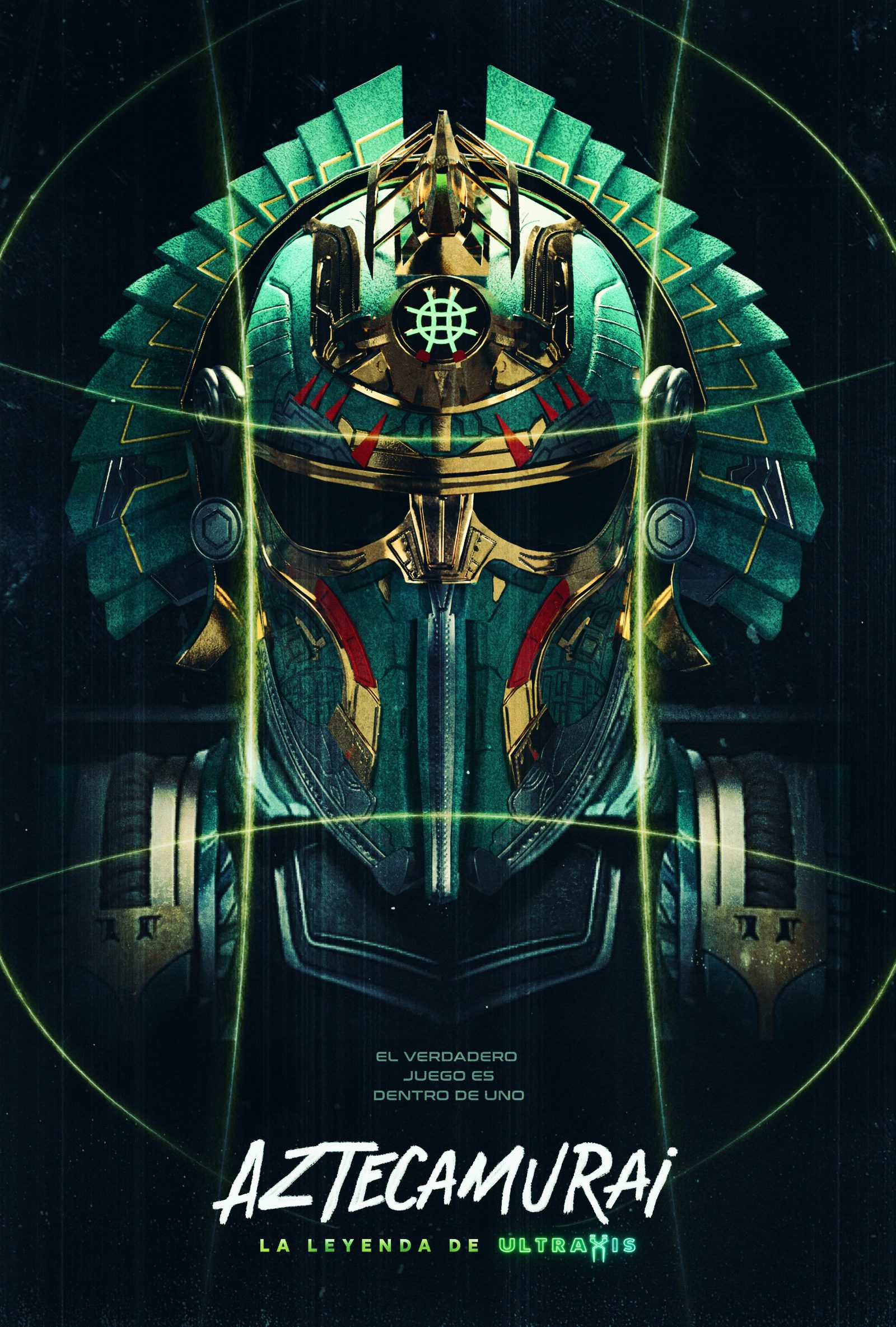
Some projects begin as an idea. And others, from the start, seem destined to generate conversation. Aztecamurai belongs to that second group. Since it started circulating, it drew attention not just for its proposition, but for something harder to achieve: a clear identity. A mix of genres, references and tones that doesn't look to fit into a category, but to build its own. And that, today, is what truly stands out.
That feeling didn't stay inside the project. Little by little, the film began appearing in media and industry conversation. One of the most relevant is The Hollywood Reporter in its Spanish edition, where it's introduced as a proposal mixing comedy, drama, science fiction and animation inside a futuristic Mexico, with an ambitious visual approach. It also confirms the participation of Aarón Díaz, who joins the project at a key moment in its development. And his presence isn't minor. Because Aztecamurai isn't just a visual bet. It's also a deeply emotional story.
✦"AI doesn't replace the human. It amplifies it."✦
The narrative follows an athlete seeking redemption inside a virtual sport, Ultraxis, where body, mind and past constantly collide. But what makes this character interesting isn't just his arc, it's the world he exists in. A world where technology isn't a decorative element, but an extension of identity.
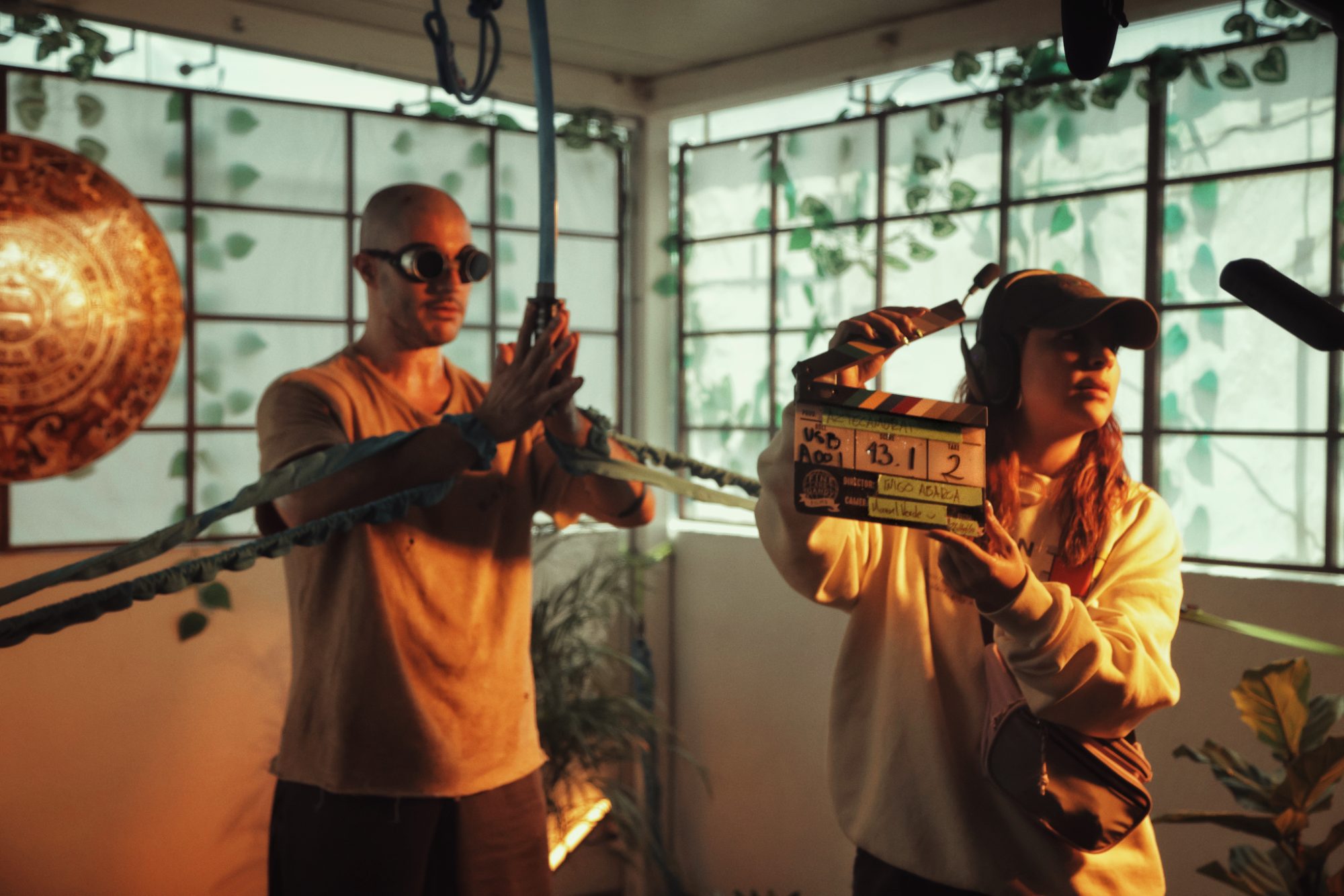
And that's where one of the project's most relevant elements comes in: the use of artificial intelligence. Not as a gimmick. Not as a substitute. But as a narrative and visual tool.
In Aztecamurai, AI is part of the project's language. From visual conceptualization to certain world-building processes, it's integrated as a layer that allows exploring aesthetics that would otherwise be much harder or more expensive to achieve. But what matters is how it's used. It doesn't replace the human. It amplifies it.
From Selva, that required a very clear understanding: technology alone builds nothing if it isn't aligned with a creative intention. AI doesn't solve tone, doesn't define emotion, doesn't build narrative. That remains completely human. What it does do is open up possibilities.
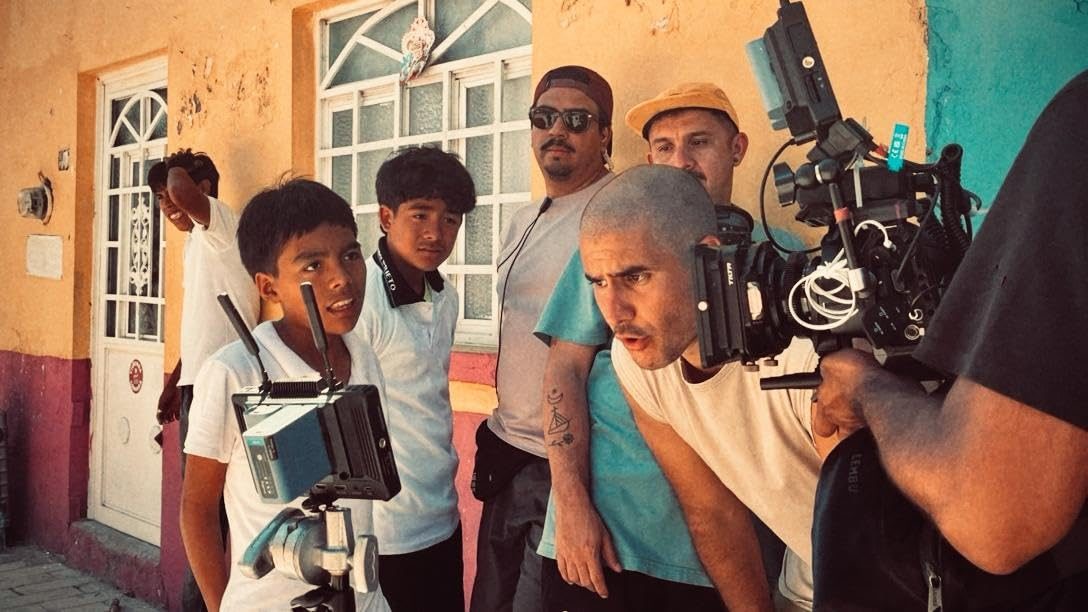
There's also something very particular in how the project came together, and it has to do with collaboration. Working with Iñigo Abaroa was an experience that shaped the creative process in a very positive way. Some directors arrive with a closed vision; others understand the project as something alive, in constant evolution. The latter is what happened here. From the start, there was real openness to explore, adjust, try different paths and push the project beyond the obvious. That kind of collaboration doesn't just enrich the result, it elevates the process. It makes every department more involved, every decision more conscious, and the project grows organically. And that is felt on screen.
Aarón Díaz's presence in this universe also adds an interesting layer. Not just because of his trajectory, but because his profile connects with the kind of project that seeks to dialogue with broader audiences. His participation helps emotionally anchor a story that, because of its visual and conceptual proposal, could feel distant. Here the opposite happens. It becomes accessible without losing complexity.
Part of that construction also shows up in the locations. The project was filmed between Mexico City and Mexcaltitán, a deeply symbolic place tied to the Mexica origin. That decision isn't aesthetic. It reinforces one of the project's central ideas: the coexistence of times. The ancestral and the futuristic don't compete. They coexist.
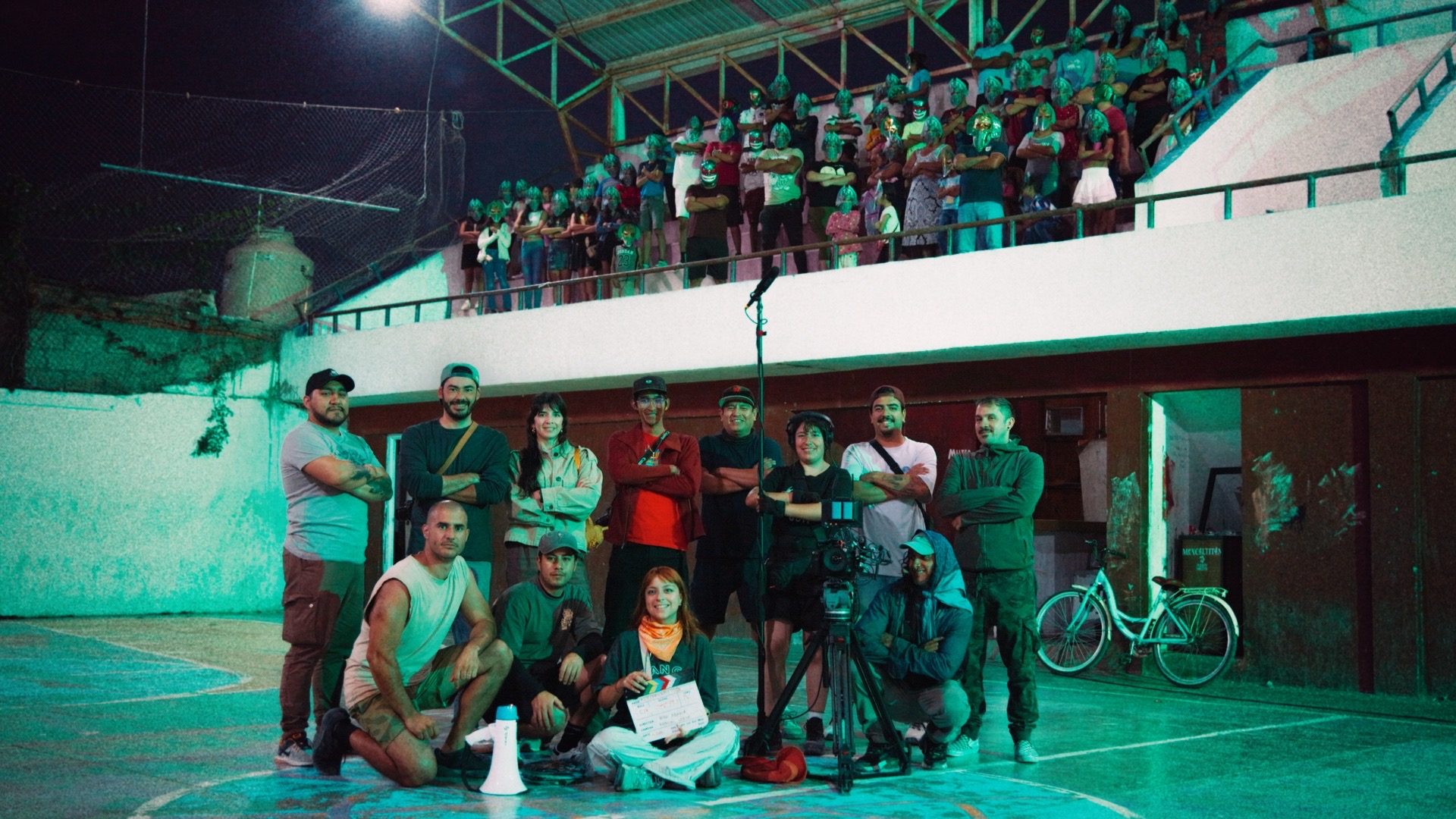
Today, Aztecamurai is at that point where conversation begins before the release. And that's a strong signal. Because when a film manages to generate interest from its concept, it usually means there's something in it that feels different… even before you've seen it.
In an industry with more and more content, what really stays isn't what resembles everything else, but what manages to build something of its own. And Aztecamurai is doing exactly that.